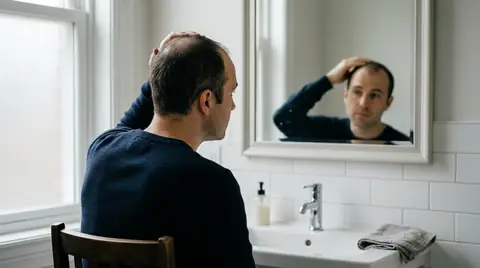
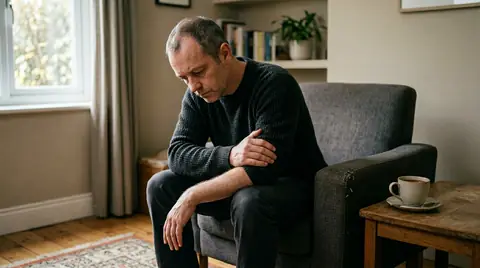
What Is Declining Sexual Health in Men
Declining sexual function encompasses a broad range of symptoms: low libido, reduced erectile function, premature fatigue, low energy, and even persistent mood changes.
Many individuals view these symptoms as isolated reproductive failures. However, it is rarely a single-organ problem. It is a systemic issue rooted in hormonal imbalance, chronic stress, altered nerve function, and lifestyle variables.
It is vital to distinguish between temporary dips—which may be caused by acute stress, a brief illness, or travel—and a persistent pattern that indicates a deeper systemic imbalance. A temporary drop is a normal physiological response to exhaustion. However, when low libido becomes a consistent pattern despite rest, it signals that the body's underlying regulatory systems are compromised.
Symptoms lasting more than 3 months with no identifiable temporary cause warrant clinical evaluation to rule out deeper pathology and begin corrective protocols.
Common Causes
Most cases presenting without structural pathology are driven by functional and lifestyle factors.
- Chronic stress and cortisol elevation — suppresses testosterone production and disrupts nerve signalling. Understanding the link between stress and sexual health is fundamental.
- Poor sleep quality — testosterone is primarily secreted during deep sleep; disrupted sleep directly lowers active hormone levels.
- Sedentary lifestyle and metabolic imbalance — excess visceral fat increases the conversion of testosterone into oestrogen, significantly lowering effective testosterone.
- Nerve weakness (peripheral neuropathy or autonomic dysfunction) — impairs the erectile response and sensation, making targeted treatment of the nerves a priority.
- Nutritional deficiencies — zinc, vitamin D, and B-complex insufficiencies are frequently implicated in male vitality decline.
- Unresolved emotional stress or relationship tension — the psychological dimension of sexual function is physiologically real and often compounds metabolic issues.
Why It Keeps Being Ignored
Most men delay seeking help for 2–5 years, normalising symptoms that are clinically correctable.
Sexual health is not separate from overall health — it reflects it.
Conventional medicine often offers pharmaceutical solutions without addressing root causes. This masks the problem without correction. Medications may provide a temporary mechanical response, but they do nothing to rehabilitate the underlying nervous or metabolic systems. Through naturopathy, the focus shifts to foundational recovery.
The systemic approach — addressing sleep, stress, nutrition, and nerve function together — produces lasting outcomes. By correcting the dynamic between testosterone and lifestyle, this methodology ensures genuine physiological healing. Over time, an integrative naturopathic protocol proves that addressing the source is the only reliable way to maintain long-term sexual health.
A Natural Correction Approach
Naturopathic correction addresses the conditions required for healthy hormonal and nerve function — not just the symptom itself. Treating the problem naturally means establishing a healthy biological baseline.
Evaluation begins with a comprehensive clinical intake covering sleep, stress, diet, activity levels, and relevant medical history to pinpoint the true imbalances.
- Hormonal and metabolic rebalancing — targeted lifestyle and dietary protocols that naturally support testosterone production.
- Nerve function support — targeted nutritional interventions for autonomic and peripheral nerve health.
- Stress and cortisol regulation — structured approaches to reduce HPA axis overactivation, acknowledging the critical link between stress and sexual health.
- Sleep correction — addressing sleep quality as the absolute primary lever for healthy hormonal recovery.
- Herbal support — evidence-informed herbs known to safely support male vitality and nerve strength.
Declining sexual health has correctable causes. An individual evaluation is the right starting point.
When to Consult a Doctor
Not every dip in energy or libido requires medical attention. The following patterns do:
- 3+ months of low libido with no clear trigger
- Progressive erectile weakness
- Fatigue affecting daily function
- Associated symptoms (mood, hair loss, weight gain)
- Prior medication that may be contributing
- Symptoms in men under 35
Early intervention produces significantly better outcomes than delayed treatment. Proper clinical guidance, exploring the connection between testosterone and lifestyle, and treating the nerves where they need it, can effectively restore vitality.
Consultations with Dr. Krishna are private and handled with complete clinical confidentiality. Many patients prefer an initial WhatsApp conversation before booking.
This website does not offer treatment for sexually transmitted infections. If you have symptoms of an STI, please consult a registered medical practitioner for diagnosis and antibiotic treatment.
Frequently Asked Questions
What causes low libido in men?
Low libido in men is rarely an isolated issue; it is typically a symptom of systemic imbalances such as chronic stress, poor sleep, hormonal disruption, or metabolic dysfunction. Addressing these underlying causes through lifestyle correction can naturally restore healthy desire and vitality.
Can stress and nerve weakness affect sexual performance?
Yes. Chronic stress elevates cortisol, which suppresses testosterone and alters the gut-brain axis. Furthermore, nerve weakness directly impairs the physical sensation and autonomic signals required for normal erectile function.
Is naturopathy effective for erectile weakness?
An integrative approach works on circulation, nerve function and hormonal balance together, rather than on the symptom alone. Whether it helps depends on what is causing it in your case, which is what the consultation is for.
How does lifestyle affect testosterone and sexual health?
The relationship between testosterone and lifestyle is profound. Variables such as deep sleep, balanced nutrition, stress management, and physical activity dictate the body's ability to produce and maintain healthy hormone levels.
When should a man consult a doctor for sexual health concerns?
You should seek clinical evaluation if symptoms like low libido, erectile weakness, or severe fatigue persist for more than three months without an identifiable temporary cause, or if they significantly disrupt your quality of life.